The 20-Year Evolution: Why AI Still Needs an Architect
- Jorge De Jesus

- Apr 2
- 2 min read
For over two decades, I’ve watched tools redefine the boundaries of our industry. We moved from the tactile world of print to the lightning speed of digital, and now, we are in the midst of the most significant shift yet: the era of Artificial Intelligence.
Lately, there’s been a recurring narrative in Miami’s creative circles—a fear that the value of a designer is depreciating because a prompt can generate a polished layout in seconds. But as a creative strategist who has seen the "next big thing" come and go, I see a different reality.
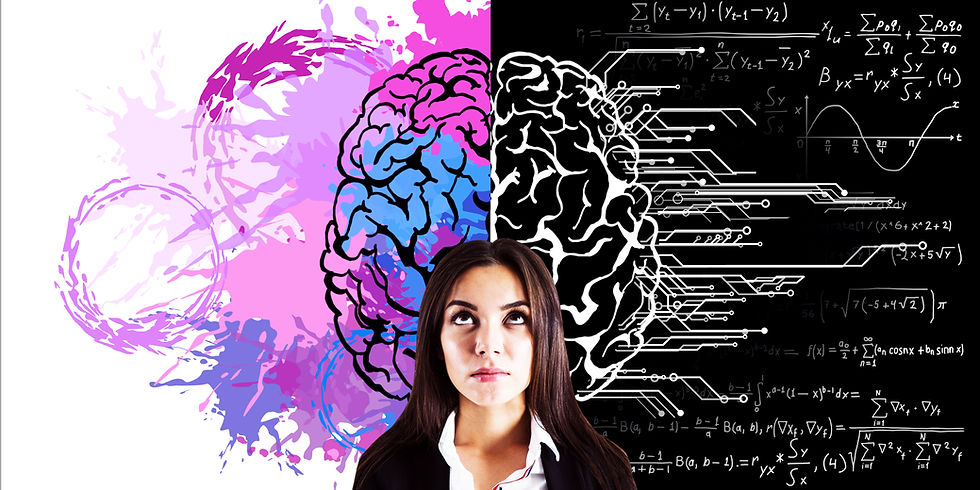
AI isn’t the author; it’s the over-eager intern.
Beyond the Pixel: The Strategy of Intent
AI is incredible at moving pixels, but it is fundamentally incapable of moving people. It can generate 100 variations of a logo, but it can't tell you which one aligns with a brand's 10-year legacy or which one will build trust with a specific audience.
In my workflow, I use AI daily to:
Accelerate Exploration: We can now stress-test dozens of visual directions in the time it used to take to sketch one.
Eliminate the "Boring Bits": Automating repetitive production tasks like resizing for social media or generating alt text frees up my energy for higher-level problem solving.
Bridge the Gap: AI helps me translate complex strategy into tangible moodboards faster, ensuring stakeholders are aligned before a single hour of high-fidelity work begins.
The Human "Error Correction"
We’ve all seen it: the "AI slop" or the technically flawless design that somehow feels soulless and disconnected. AI lacks judgment, context, and taste. It doesn't understand human psychology or the emotional nuance required to solve a user's real problem.
My role has evolved from being the person who simply makes the work to the one who architects the system. I am the one who filters the AI's output through 20 years of experience to fix the errors, ensure brand consistency, and inject the "grit and grime" of authentic human texture that makes a brand feel real.
The Future is Hybrid
By 2026, the most successful designers won't be those who ignore AI, nor those who let AI drive. They will be the Human-Led Collaborators—specialists who use AI to think wider but have the discipline to slow down and apply human empathy where it matters most.
AI has simplified the how, but it has made the why more valuable than ever. I’m not against the technology; I’m for the craft. And in this new era, craft isn't optional—it's the only thing that separates the premium from the generic.


Comments